

The prospect of hair extensions can make the dream of long, full locks seem effortless, but the end result is more than just having extra hair added to your head. It requires selecting the right technique, securing the proper placement and color match, considering how you will maintain the extensions, and, perhaps most importantly, having the right specialist. An expert in hair extensions is key to making the extensions look seamless, feel comfortable and, most importantly, not damage your natural hair.
If you are thinking about getting hair extensions to add length, bulk or volume to your hair, whether for a regular occasion or for a once-off look, it is helpful to know what you are getting yourself into before booking your appointment.
Why You Need Hair Extensions Skills and Expertise
While hair extensions might seem like a simple fix for longer, fuller hair, the application process calls for some knowledge and careful consideration on the part of the stylist. A hair extensions specialist will ask for details such as the density and texture of your hair, the sensitivity of your scalp, as well as what kind of style and upkeep routine you typically have before recommending an extension technique for you.
Poor fitting hair extensions can cause your natural hair to slip, mat, become heavy or bulky, or show up through your own hair. Additionally, if they pull on your natural hair (click this link now), they can cause damage to that hair. Properly applied hair extensions should make your existing hair look better, not strain the roots and natural hair or break it in any other way.
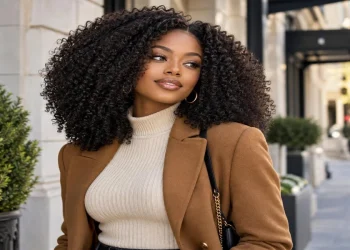
The goal for the best hair extensions is that they should move like natural hair and blend seamlessly while not feeling bulky and should stay put during daily activity.
seamless hair extensions blending with natural hair
The Different Kinds of Hair Extensions
There are many different types of hair extensions to choose from, and the one that is best for you will depend on your hair, what you want to achieve with them and how much upkeep you can do to keep them in good shape.
- Tape-In Extensions
Tape-in extensions lie almost flat on the head and are very thin. This can make them lighter and a more natural-looking choice when someone is looking for moderate length extension or slight fullness in an area.
- Weft Extensions
This option will give you more dramatic results. Weft extensions are a popular choice if a client is looking to increase the fullness or length of their hair but must be applied with care because it might put pressure on your hair.
- Individual Strand Extensions
The application of individual strands gives the specialist room to place them where they need to and makes it a good choice for spot coverage or for blending, though this takes longer.
- Clip-In Extensions
Another option is the clip-in type of hair extension, which can be put in and removed, and are a good choice for an evening event, someone who wants to test out length without commitment, or for someone who doesn’t want to have hair extensions at all.
What to Expect During an Extension Consultation
The consultation with hair extensions specialists is an important part of the process. During this time the expert will check out your hair, discuss what you want to achieve with your extensions and explain what they can do for you.
A good consultation should include a discussion about:
- The intended length, volume and styling
- What condition and how much density does your hair currently have
- Matching and blending extension colors
- What method is the best for your goals
- How you would care for the extensions once you get home
- How much the extensions will cost, how long they take to install and how to take them off safely
It should be a transparent conversation. For instance, if it is clear that the client’s hair is too fragile, too short or not an appropriate type for the extension type under discussion, an honest stylist will explain the safest options for the person.
How to Choose the Right Hair Extensions Specialist
When you are choosing a hair extensions expert to work with you, don’t just look at before and after pictures of different hairstyles. Yes, you want to have a good result, but you also have to keep in mind how well the extension procedure protects your natural hair.
Hair Extensions Home Care
Once your extensions are in, your daily care routine will determine how long they will look good and feel soft. You should brush your extensions, starting from the bottom and moving up, and be careful not to tug at the bonds. Avoid high heat applications (you can see this for yourself at www.aad.org/public) when using your styling tools.
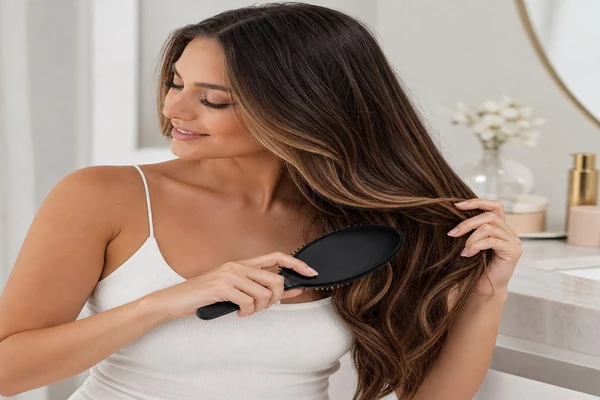
brushing and caring for hair extensions at home
Good Hair Extensions
When done properly, hair extensions should be unnoticeable, comfortable to wear, look great on your style, and be easy on your natural hair.